Privacy Protection in Modern Digital Workflows
In today's digital landscape, privacy protection is more than a legal requirement—it's a foundational element of trust, professionalism, and operational integrity. Whether you're designing a website, launching a marketing campaign, or creating educational materials, integrating privacy protection early and consistently can safeguard sensitive information and enhance user confidence. This article explores how privacy protection fits into various workflows and how its visual representation—like a simple line element or icon—can serve as both a functional and symbolic asset in templates, web design, and infographics.
Understanding Privacy Protection in Context
Privacy protection refers to the practices, policies, and tools used to secure personal data and ensure it is handled responsibly. In a broader digital workflow, this concept spans multiple stages—from initial planning to final delivery. It intersects with areas like user experience design, content creation, platform integration, and compliance management. Visual symbols, such as a privacy protection icon, help communicate these values clearly and consistently across digital and print media.
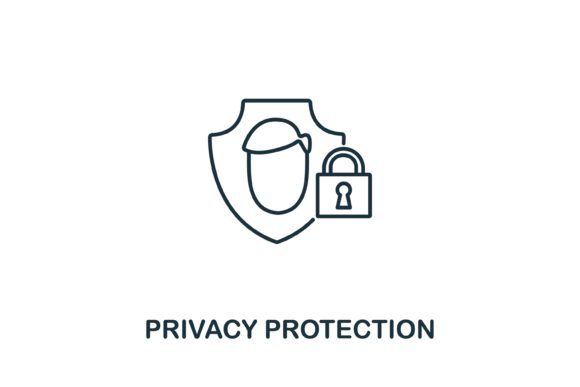
For example, when designing a website or app interface, a privacy icon can signal to users that their data is being handled securely. Similarly, in infographics or reports, the same icon can serve as a visual cue for data ethics and compliance standards. These small but meaningful design elements reinforce a larger commitment to user trust and legal responsibility.
Integrating Privacy Protection Across Workflows
Privacy protection can be integrated into workflows in several ways, depending on the nature of the project and the tools being used. Here are a few practical scenarios:
- Before a project begins: Establish data handling policies and identify where privacy protection will be visually or functionally represented. This includes selecting appropriate icons and symbols for use in design assets.
- During implementation: Embed privacy indicators in user interfaces, landing pages, and documentation. Use the privacy protection icon as a clickable element or informational tag.
- After launch: Monitor user interactions with privacy-related elements and refine their placement or design based on feedback and analytics.
These steps ensure that privacy isn't an afterthought but a consistent thread throughout the development and delivery process.
Using the Privacy Protection Icon in Design and Communication
The privacy protection icon from an authentication collection offers a clean, scalable way to represent data security in visual content. Whether you're working with web templates, mobile apps, or printed reports, this symbol can be adapted to suit various formats. The availability of both EPS and JPG files makes it versatile for vector editing and quick deployment.
Designers can integrate this icon into dashboards, forms, and consent banners. Educators and marketers might use it in presentations or infographics to emphasize secure data practices. For entrepreneurs and small business owners, including the icon in customer-facing materials can reinforce transparency and build trust.
Workflow Compatibility and Practical Implementation
One of the key advantages of the privacy protection icon is its compatibility with different tools and platforms. Whether you're using Adobe Illustrator for high-resolution design or Canva for rapid prototyping, the icon's file formats allow for easy editing and customization. This flexibility supports consistent branding and messaging across digital and physical assets.
When incorporating privacy protection into your workflow, consider the following tips:
- Start with clear goals: Define how and where privacy protection will be represented in your project. This could be in UI design, documentation, or marketing visuals.
- Choose scalable assets: Use vector files (like EPS) for logos and icons to maintain quality across different sizes and platforms.
- Maintain consistency: Ensure that the same visual language for privacy is used across all touchpoints to avoid confusion.
- Test usability: Check how users interact with privacy-related elements and refine based on real-world feedback.
Supporting Long-Term Use and Quality Control
Privacy protection isn't a one-time task—it's an ongoing commitment. As your projects evolve, so too should your approach to representing and reinforcing privacy standards. Regularly audit your visual assets, update icons where necessary, and ensure that privacy messaging aligns with current regulations and user expectations.
Organizing your design resources, such as keeping a dedicated folder for approved icons and logos, helps streamline updates and ensures that all team members are working with the most current versions. This attention to detail supports not only legal compliance but also brand credibility and user trust.
Real-World Applications and Use Cases
Consider a freelance web developer working on a client's e-commerce site. By embedding a privacy protection icon next to form fields and in the site's footer, they signal that user data is taken seriously. The developer can use the provided EPS file to scale the icon for different screen sizes and ensure it matches the site's visual style.
In another scenario, a marketing team might use the same icon in an infographic about digital safety. The JPG version allows for quick placement into slide decks or social media posts, making complex privacy concepts more digestible for a general audience.
These examples show how a single visual element can have wide-reaching impact when integrated thoughtfully into a broader workflow.
Final Thoughts on Practical Integration
Successfully integrating privacy protection into your work isn't just about compliance—it's about building a culture of trust and responsibility. Whether you're a designer, educator, entrepreneur, or marketer, the tools and symbols you choose matter. The privacy protection icon from an authentication collection offers a simple yet powerful way to reinforce these values across your projects.
By planning ahead, choosing compatible assets, and maintaining consistency, you can make privacy protection a seamless part of your digital and creative workflows. This approach not only enhances user experience but also strengthens your professional reputation in an increasingly data-conscious world.