Exploring Japanese Foods: A Visual Feast for Designers and Food Lovers
Why Japanese Foods Vector Illustration Is a Designer’s Best Friend
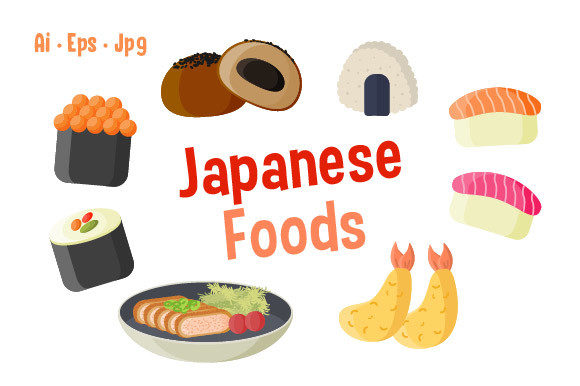
Whether you're crafting a presentation slide, designing a restaurant menu, or creating a cultural infographic, high-quality visuals are essential. The Japanese Foods vector illustration offers a versatile and scalable solution that meets a wide range of creative needs. From sushi rolls to steaming bowls of ramen, this collection captures the essence of Japanese cuisine in crisp, clean vector detail.
With its 100% vector format, this design asset can be resized infinitely without losing clarity, making it ideal for both digital and print applications. You’ll receive the files in multiple formats—EPS, AI, and JPG—ensuring seamless integration into any project, no matter your preferred software or output size.
What Makes Japanese Foods Vector Art Stand Out?
Visual content plays a crucial role in communication, especially when it comes to food. The Japanese Foods vector illustration stands out for several reasons:
- High Scalability: Resize from a mobile app icon to a billboard without quality loss.
- Detail-Oriented Design: Each food item is carefully illustrated to reflect authentic Japanese dishes.
- Versatile Use: Works across industries—from education to marketing, and from web to print.
- Customizable: Colors, shapes, and layers can be edited to match your brand or design style.
These illustrations are not just decorative—they serve as powerful visual tools that enhance clarity, engagement, and cultural representation in your designs.
Applications Across Industries: Where and How to Use Japanese Foods Illustrations
The Japanese Foods vector illustration is more than just a design asset—it's a functional tool that adapts to many use cases. Here’s how different professionals can benefit from it:
For Educators and Content Creators
Teaching about Japanese culture or world cuisines? These illustrations can be used in lesson plans, infographics, and educational posters to help learners visually connect with the material. For example, a geography teacher can use the illustrations to show the variety of foods in different regions of Japan.
For Marketers and Entrepreneurs
Restaurants, food delivery services, and lifestyle brands targeting Asian cuisine can incorporate these visuals into menus, social media posts, and advertisements. A sushi bar launching a new campaign can use the illustrations to highlight featured dishes in a visually appealing way that resonates with customers.
For Designers and Web Developers
Whether you're building a food blog or designing a mobile app for recipe sharing, the Japanese Foods vector illustration can be used to create icons, banners, or loading animations. Since vectors are lightweight and scalable, they enhance performance without sacrificing quality.
For Game Developers and Illustrators
If you're developing a cooking game or a cultural simulation app, these illustrations can serve as assets for in-game items or interface elements. The clean lines and vibrant details make them perfect for stylized visuals that are both fun and informative.
Benefits That Go Beyond Aesthetics
While the visual appeal of the Japanese Foods vector illustration is obvious, its benefits extend into usability and functionality:
- Improved Communication: Icons and visuals help convey ideas faster than text, especially in multilingual contexts.
- Enhanced Brand Identity: Consistent use of themed illustrations helps build a recognizable and professional look.
- Better User Engagement: Eye-catching visuals keep users interested and encourage interaction, whether on a website or in a presentation.
- Efficient Workflow: Ready-to-use illustrations save time in design projects, allowing creators to focus on layout and messaging rather than drawing from scratch.
Real-World Examples of Japanese Foods Illustration in Action
Let’s look at a few real-world applications where the Japanese Foods vector illustration can make a real impact:
- Restaurant Website Design: A local izakaya can use sushi and yakitori illustrations to create a welcoming homepage that reflects their menu offerings.
- Infographic on Japanese Culture: A blogger can use these visuals to highlight traditional dishes in an infographic shared on social media or embedded in a post.
- Mobile App UI Elements: A food-tracking app can incorporate ramen or miso soup icons to represent different categories of meals.
- Presentation for Tourism Board: A tourism organization promoting Japan can use the illustrations in slides to showcase regional specialties during a presentation.
Choosing the Right Illustration Set for Your Needs
Not all illustration sets are created equal. When selecting a Japanese Foods vector illustration, consider the following factors:
- Completeness: Does the set include a variety of dishes—sushi, tempura, udon, matcha desserts, etc.—to cover your needs?
- Style Consistency: Ensure all illustrations share a similar aesthetic to maintain visual harmony in your design.
- File Compatibility: Check if the AI and EPS files work with your design software. Also, verify if the JPG versions meet your print or web requirements.
- Licensing: Make sure the license allows for both personal and commercial use, especially if you're working on a client project or selling merchandise.
Final Thoughts: Happy Designing, Happy Purchasing
The Japanese Foods vector illustration is more than just a collection of images—it’s a powerful design tool that enhances creativity, efficiency, and communication. Whether you're a designer, educator, entrepreneur, or hobbyist, this versatile asset can elevate your work while saving you time and effort.
So, if you're looking to add authentic, high-quality visuals to your next project, consider investing in this well-crafted illustration set. With its scalability, adaptability, and cultural richness, it’s a smart addition to any creative toolkit. Happy designing, and happy purchasing!