Circle Flip: A Visual Framework for Smoother Planning and Execution
Circle Flip is more than just a design—it's a strategic framework that helps professionals streamline decision-making, enhance creative workflows, and improve project clarity. Whether you're mapping out a business strategy, planning a marketing campaign, or organizing a personal development goal, Circle Flip offers a structured yet flexible way to visualize processes and outcomes. With its intuitive circular layout, it supports iterative thinking, making it ideal for both linear and cyclical tasks.
Understanding the Structure and Purpose of Circle Flip
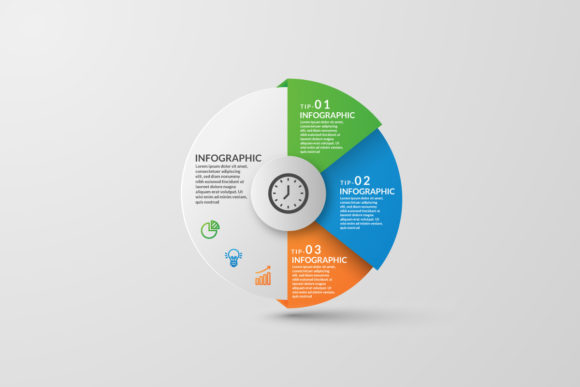
At its core, Circle Flip is a circular diagram divided into segments, each representing a stage, role, or function within a broader process. Unlike linear diagrams that suggest a one-way flow, the circular format reinforces the idea of continuous improvement, feedback loops, and adaptability. This makes it especially useful in dynamic environments where iteration and refinement are key.
Each segment can be customized to reflect different aspects of a workflow—such as planning, execution, review, and optimization—or roles within a team, such as research, design, development, and quality assurance. The visual symmetry of the design helps users grasp relationships and dependencies quickly, reducing cognitive load and improving communication across stakeholders.
How Circle Flip Fits Into Real Workflows
Circle Flip isn't a standalone solution—it's a tool that enhances how you already work. Its value becomes most apparent when integrated into existing planning and execution processes. Here's how it can be used at different stages:
- Before a project: Use Circle Flip to outline the scope, define roles, and map dependencies. This sets a clear foundation for what needs to happen and who is responsible for each part.
- During a project: Update the Circle Flip segments in real-time to reflect progress, blockers, and next steps. It becomes a living document that supports agile decision-making and team alignment.
- After a project: Revisit the Circle Flip to evaluate outcomes, identify gaps, and document lessons learned. This retrospective approach supports continuous improvement and better future planning.
Integration with Other Tools and Platforms
Circle Flip works best when combined with other tools you already use. Whether you're managing tasks in Trello, collaborating in Slack, or analyzing data in Excel, the Circle Flip template can act as a visual anchor that ties everything together. For example:
- Link each segment of the Circle Flip to a corresponding Trello board or Asana task list.
- Embed the Circle Flip into a Notion dashboard to provide an overview of complex workflows.
- Use it in PowerPoint or Google Slides to present a high-level summary during meetings or stakeholder updates.
Because the Circle Flip design is available in vector EPS format, it's highly customizable and scalable. You can easily import it into Adobe Illustrator, Inkscape, or any vector editing software to adjust colors, labels, and layout to match your branding or specific project needs.
Practical Implementation Tips for Using Circle Flip
Here are some actionable ways to incorporate Circle Flip into your daily or project-based work:
- Start small: Begin with a single process or project where visual clarity is lacking. This could be a content creation workflow, product development cycle, or customer onboarding process.
- Define clear roles or stages: Each segment should represent a distinct function or step. Avoid overloading sections with too much detail. Keep it high-level but meaningful.
- Use it as a collaborative tool: Share the Circle Flip with your team and encourage input. This promotes shared ownership and ensures everyone understands their role within the larger context.
- Update it regularly: Treat the Circle Flip as a dynamic reference rather than a one-time document. Schedule periodic reviews to ensure it reflects current realities and priorities.
- Pair with timelines and metrics: Attach timelines or KPIs to each segment to create a more robust planning tool. This helps track progress and aligns the Circle Flip with measurable outcomes.
Workflow Example: Using Circle Flip in Content Marketing
Imagine you're planning a monthly content calendar for a blog or social media platform. Here's how you might structure your Circle Flip:
- Research & Ideation
- Topic Selection
- Writing & Creation
- Edit & Review
- Approval & Scheduling
- Publishing
- Promotion
- Analytics & Feedback
By placing each of these steps in a circle, you emphasize that content creation is not a straight line—it's a cycle. Once content is published and promoted, the insights from analytics feed back into the research and ideation phase for future content. This creates a loop of continuous improvement.
Factors to Consider When Using Circle Flip
While Circle Flip is versatile, successful implementation depends on a few key factors:
- Preparation: Spend time upfront to define the purpose of your Circle Flip and what each segment represents. This clarity ensures it remains a useful tool rather than a decorative graphic.
- Compatibility: Ensure the format integrates smoothly with your existing tools and platforms. If you're using project management software, consider linking each segment to relevant dashboards or reports.
- Usability: Keep the design clean and intuitive. Avoid cluttering segments with too many subpoints. Simplicity enhances usability, especially in team settings.
- Organization: Use consistent labeling, color-coding, and visual cues to make the Circle Flip easy to interpret at a glance.
- Efficiency: The goal is to save time and improve clarity, not add another layer of complexity. If the Circle Flip feels cumbersome, simplify it or break it into smaller, more focused circles.
- Consistency: Use the same structure across similar projects to build familiarity and reduce the learning curve for your team.
- Quality Control: Periodically review and refine your Circle Flip based on feedback and performance data. This ensures it remains aligned with your goals and evolving processes.
- Long-Term Use: Design your Circle Flip with scalability in mind. Can it be adapted for larger projects or different departments? A well-structured Circle Flip can grow with your needs.
Why Circle Flip Works for Different Professions and Use Cases
Circle Flip's adaptability makes it a valuable tool across industries and roles:
- Entrepreneurs use it to map out business models, customer journeys, or product development cycles.
- Marketers apply it to campaign planning, conversion funnels, and customer retention strategies.
- Educators integrate it into curriculum planning, student engagement models, and assessment frameworks.
- Freelancers rely on it to structure client projects, manage deliverables, and track billing cycles.
- Bloggers and content creators use it to streamline ideation, production, and promotion workflows.
- Small business owners apply it to daily operations, team roles, and service delivery processes.
In each case, the Circle Flip acts as a visual roadmap that enhances clarity, accountability, and alignment. It’s especially useful when onboarding new team members or communicating with clients who need a simplified view of complex processes.
Getting Started with the Circle Flip Template
The Circle Flip 3-step infographics design template in vector EPS format gives you a ready-made foundation to build upon. You can customize each segment to reflect your specific needs, whether you're outlining a three-phase project, mapping team roles, or illustrating a decision-making process.
Because it's in vector format, you can scale it to any size without losing quality—perfect for presentations, reports, or digital dashboards. You can also export it to PNG, PDF, or SVG for use in websites, print materials, or mobile apps.
Whether you're a seasoned project manager or someone just starting to organize your personal goals, Circle Flip offers a structured yet flexible way to visualize your workflow. By integrating it into your planning and execution process, you'll not only improve clarity but also enhance collaboration and long-term efficiency.